Medical Foods vs Supplements: Which is Right for You?
When you’re taking steps to improve your health, you might consider dietary supplements or look into medical foods. These two options may seem similar at first, but they serve very different purposes. Medical foods support people with specific medical conditions, such as medical foods for IBS or Celiac Diease, that require targeted nutrition. Supplements aim to promote overall wellness and help fill common nutrient gaps. Understanding the difference helps you choose what best fits your needs.
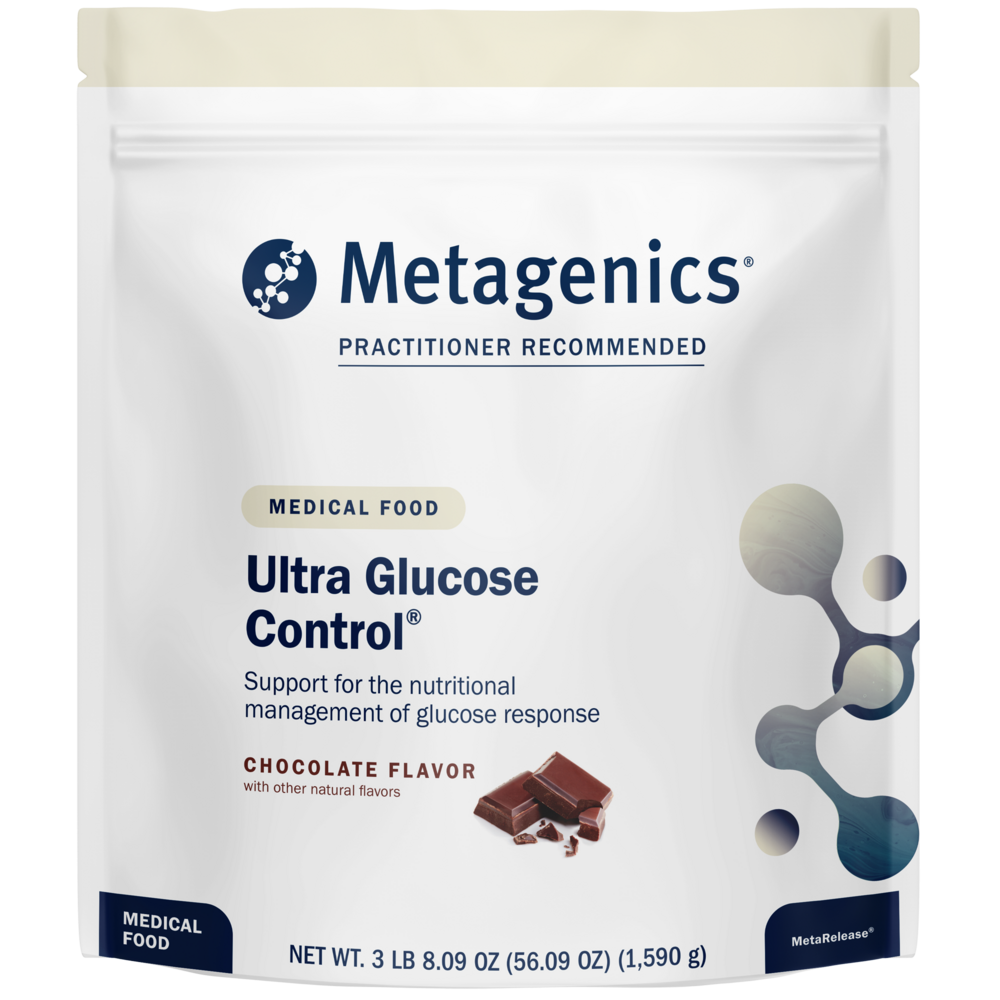
Medical foods provide carefully designed nutrition to help manage certain diseases or conditions. You won’t find them on store shelves because they aren’t made for the general public. Doctors often recommend them to address specific metabolic needs that regular food can’t meet. For example, people with phenylketonuria (PKU) can’t properly break down phenylalanine. In that case, they may follow a diet that includes a medical food free of that amino acid. These products, such as medical foods for IBS, rely on clinical research and exist to support bodies that can’t process certain nutrients in a typical way.
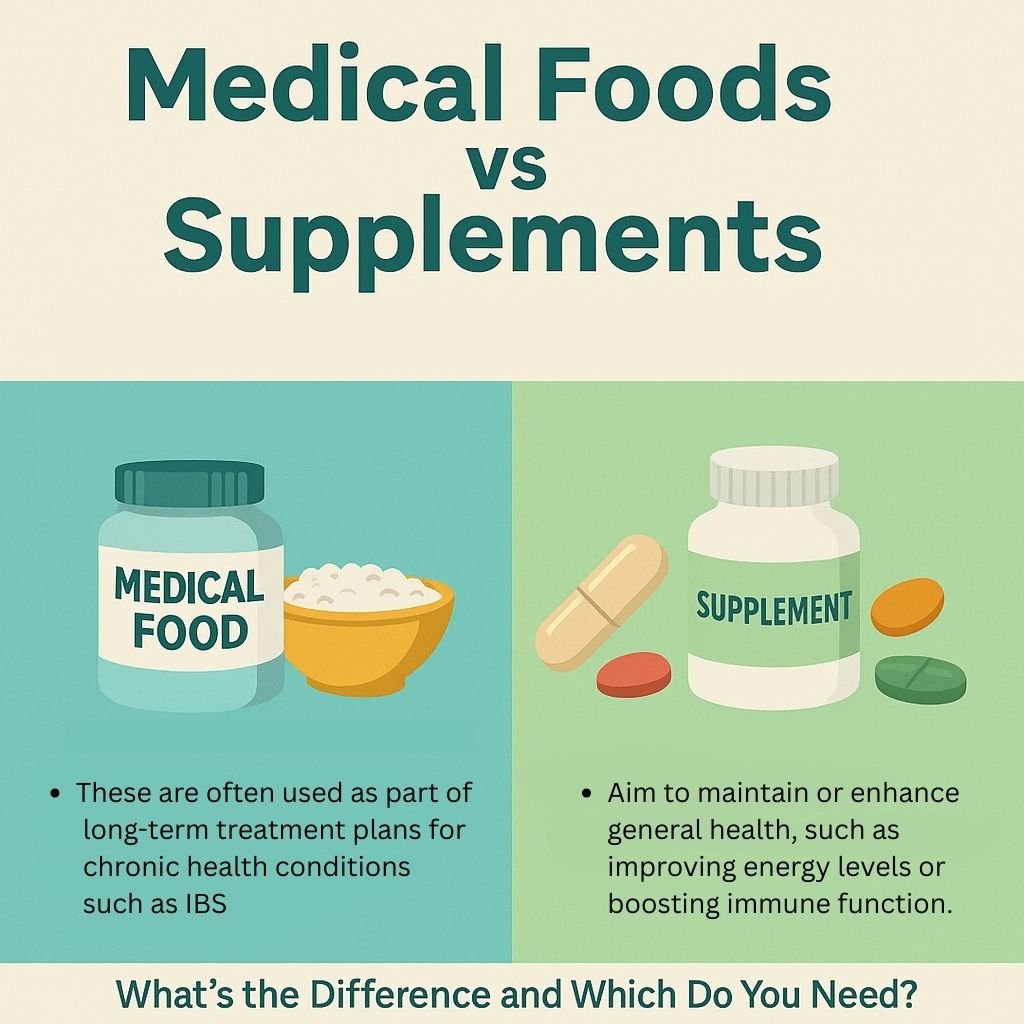
Medical foods target specific health conditions by delivering nutrition in a highly specialized way. For example, some formulas support people with inflammatory bowel disease by including nutrients the body can absorb more easily during flare-ups. Others help manage blood sugar in people with diabetes by using carefully balanced proteins, fats, and carbohydrates. Certain medical foods also address replenishing the intestinal lining, cognitive decline, chronic inflammation, or muscle loss that comes with aging. These products don’t just add nutrients—they’re built to meet needs that everyday meals and standard supplements can’t.
Supplements, by contrast, are easy to buy and simple to use. You can pick them up at the pharmacy, a grocery store, or online. People often take them to support immunity, digestion, energy, or other aspects of general health. They don’t require a prescription, and most people use them without medical supervision. Supplement companies design a wide variety of products to meet different health goals and make them widely available to consumers.
The best choice depends on your personal health situation. If you’re dealing with a condition that calls for precise nutritional support, your doctor may recommend a medical food. But if you just want to support your daily health or address a minor deficiency, a well-made supplement might be enough. Either way, talk with a healthcare provider. They can guide you toward the option that fits your goals and helps you feel your best.